Pita Masa Home

Category

Cooking Techniques

19 articles

Your Roti Is Talking to You — Are You Listening?

Your Roti Is Talking to You — Are You Listening?

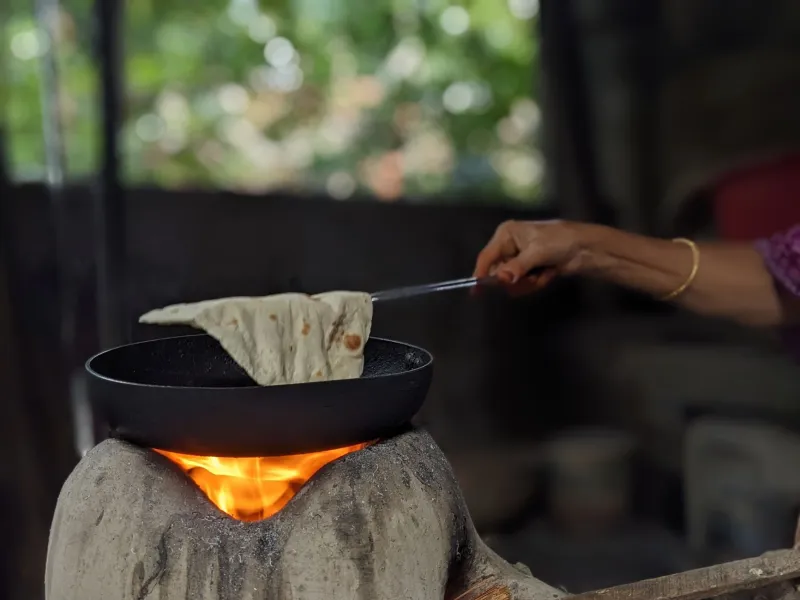
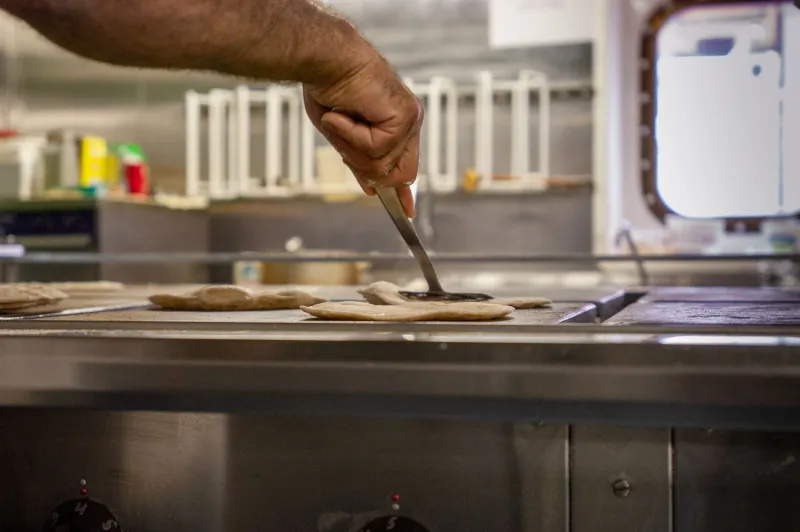
If your roti keeps tearing, puffing unevenly, or turning out stiff as cardboard, your dough has something to say. Understanding the relationship between flour, water, rest, and heat is the difference between a roti that folds beautifully and one that cracks under pressure.
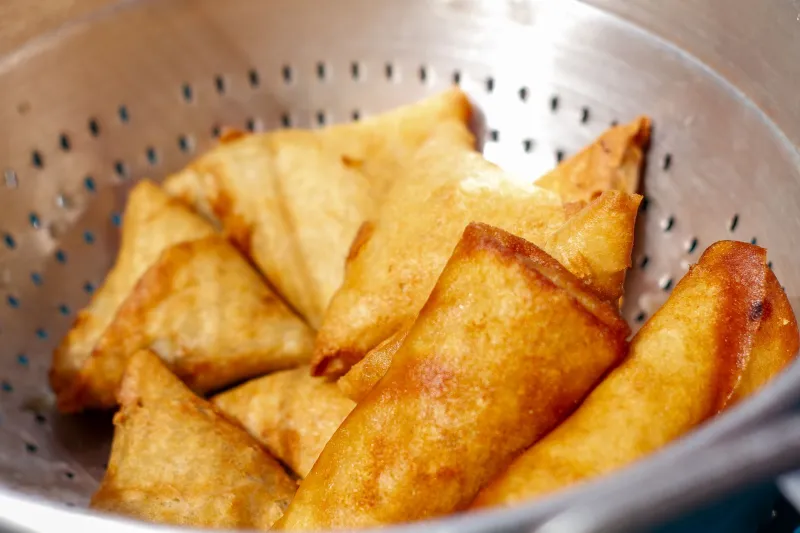
Hot Oil, No Panic: Learning to Fry South Asian Snacks by Feel

Hot Oil, No Panic: Learning to Fry South Asian Snacks by Feel

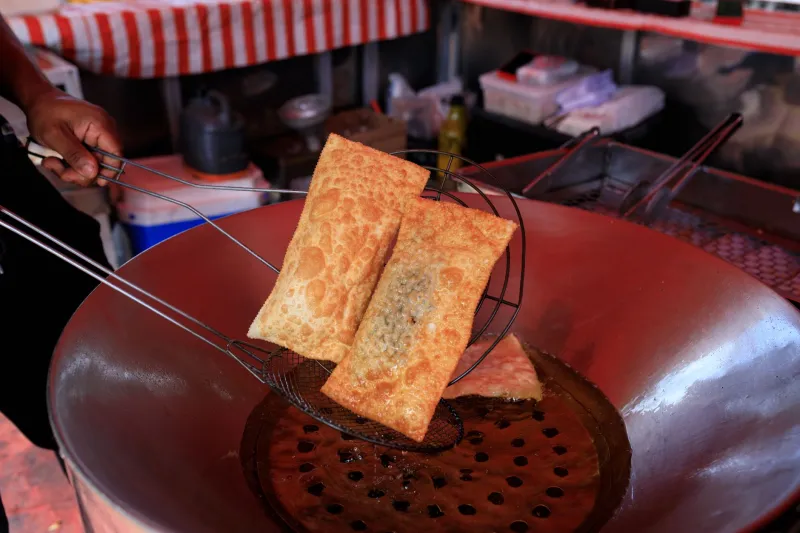
Deep-frying sounds intimidating until you realize that the oil itself is constantly telling you what's happening. This guide teaches you how to read bubble behavior, sound, and smell to fry samosas and other South Asian snacks with real confidence — no thermometer required.

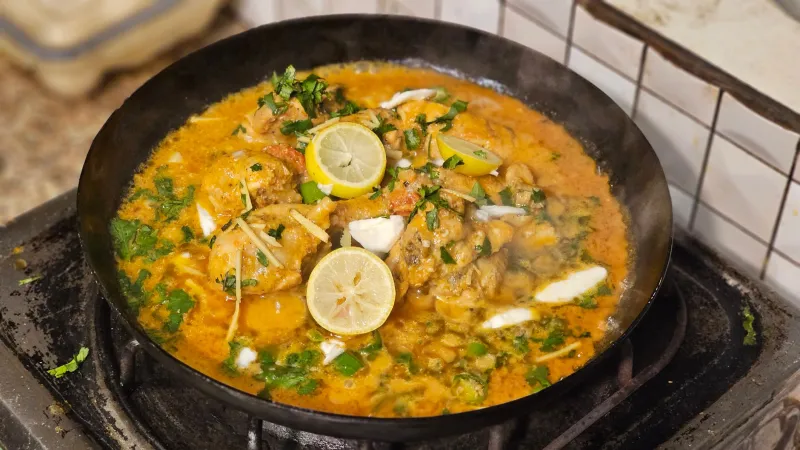
Second Day, Better Meal: The Art of Reinventing Leftover Curry

Second Day, Better Meal: The Art of Reinventing Leftover Curry

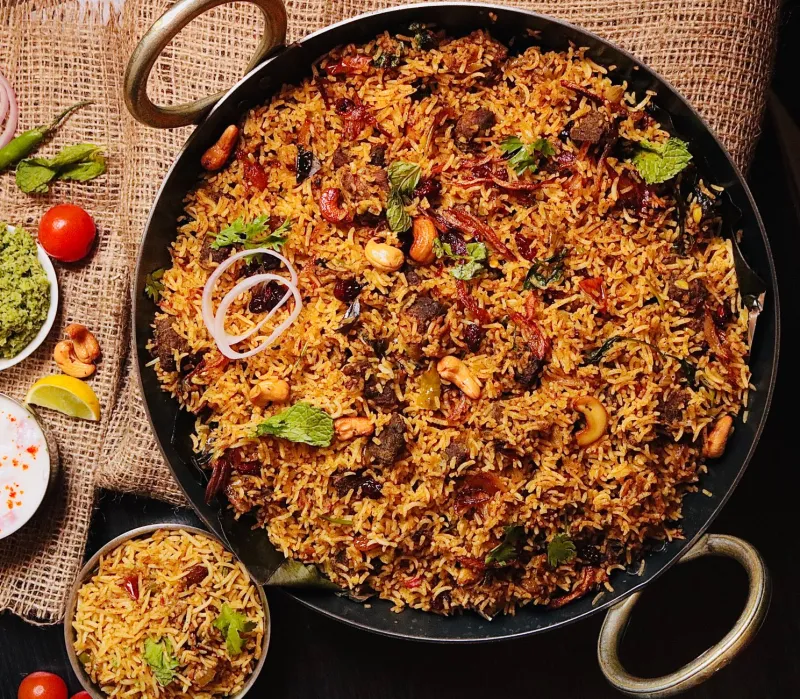
In South Asian kitchens, leftovers have never been an afterthought — they're an opportunity. Yesterday's dal can become today's paratha filling, last night's curry can transform into a completely different dish with a few smart additions, and day-old rice is basically a blank canvas. Here's how to make that happen on purpose.

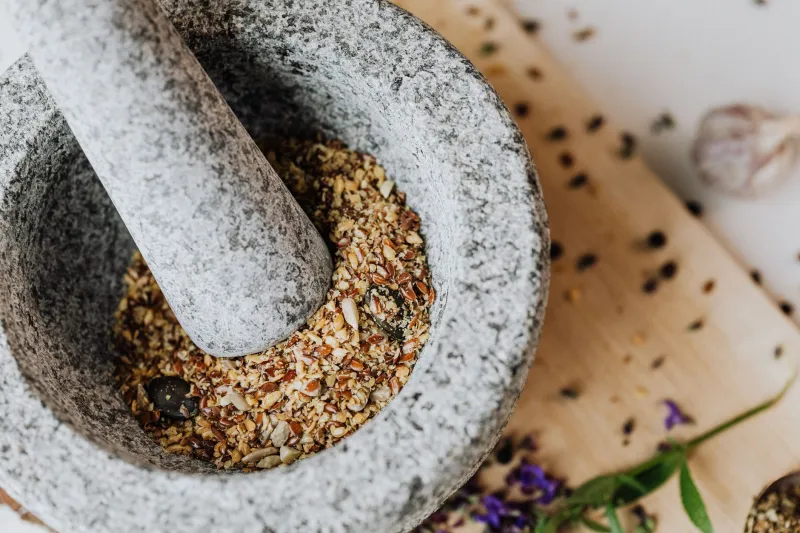
Make It Yours: A Home Cook's Guide to Blending Garam Masala from Scratch

Make It Yours: A Home Cook's Guide to Blending Garam Masala from Scratch

That jar of garam masala in your spice drawer is doing its best, but it was blended for nobody in particular — which means it's probably not quite right for you. Making your own from scratch takes less time than you'd expect and produces something that actually tastes like the food you grew up eating, or the food you want to start making.

South Asian Cooking Has Always Had a Calendar. Here's How to Read It.

South Asian Cooking Has Always Had a Calendar. Here's How to Read It.

Long before anyone was talking about eating seasonally, South Asian kitchens were already doing it — guided by monsoons, harvest cycles, and the quiet logic of what grew when. For diaspora cooks in the US, that calendar still exists. It just needs a little translation.

Pound It, Blitz It, or Just Give Up: Choosing the Right Spice Grinder for How You Actually Cook

Pound It, Blitz It, or Just Give Up: Choosing the Right Spice Grinder for How You Actually Cook

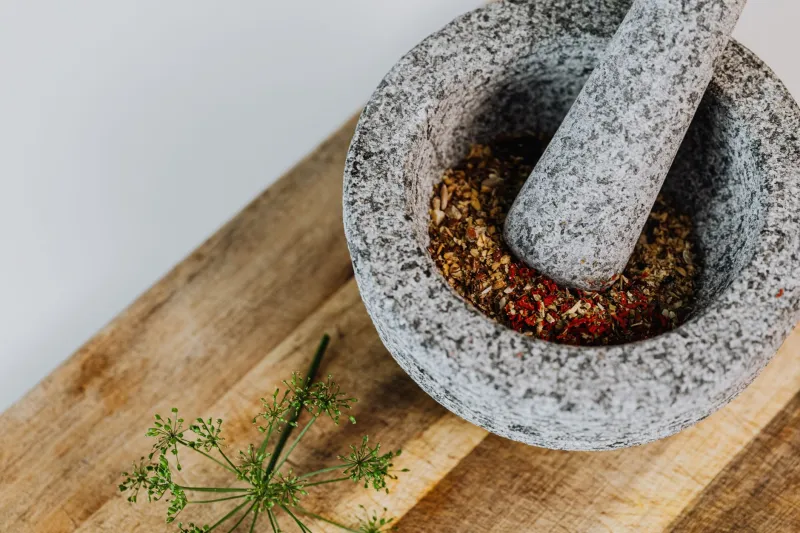
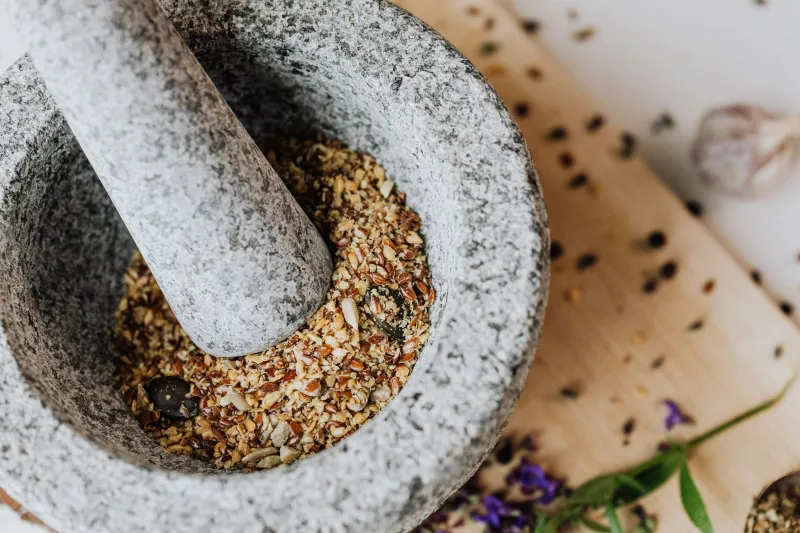
The debate over how to grind spices in a South Asian kitchen is older than your grandmother's stone mortar — and just as heavy. Whether you're team electric blade grinder, team traditional silbatta, or team 'I'll just use pre-ground,' the tool you choose genuinely changes what ends up in your pot. Here's an honest look at what each method actually does to your spices.

Whole Spice or Pre-Ground? The Answer Is More Complicated Than Your Grandmother Lets On

Whole Spice or Pre-Ground? The Answer Is More Complicated Than Your Grandmother Lets On

Freshly ground spices smell better, taste brighter, and make you feel like a culinary genius — but is whole-and-grind always worth the effort? We break down the real science behind spice grinding, test what actually matters dish by dish, and figure out when your grandmother's insistence on the stone grinder is gospel and when it's just tradition for tradition's sake.

Everyone's Samosa Is the Right Samosa (Until You Meet Someone Else's Family)

Everyone's Samosa Is the Right Samosa (Until You Meet Someone Else's Family)

Samosas are beloved across South Asia and the South Asian diaspora — but ask two families how to make them and you'll get two very different answers. From filling debates to pastry thickness wars, this is your guide to understanding why samosas divide kitchens and how to finally nail the crispy shell at home.

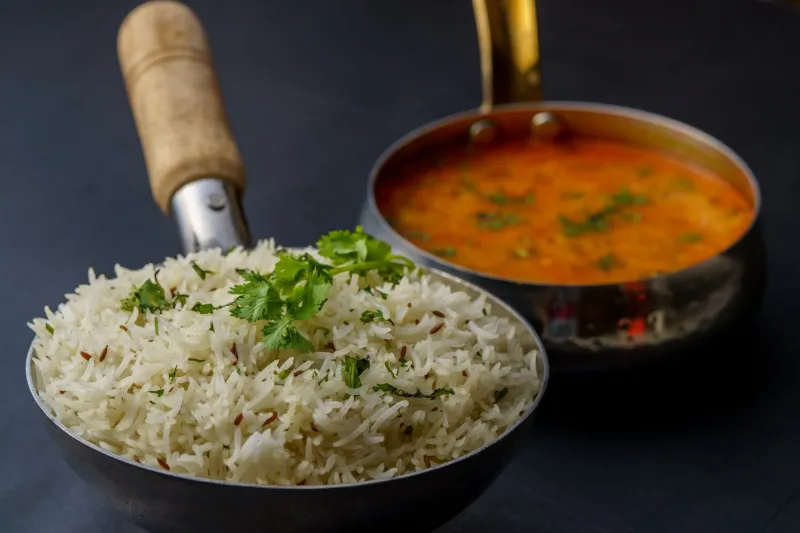
The 45-Minute Dal and Other Heresies: How Busy South Asian Americans Are Rewriting the Recipe

The 45-Minute Dal and Other Heresies: How Busy South Asian Americans Are Rewriting the Recipe

Slow-cooked food carries memory. But when you're working two jobs, raising kids, and trying to get dinner on the table by 7 p.m., something has to give. Across American kitchens, South Asian home cooks are figuring out how to honor the food they grew up with while making it actually fit their lives—and the results are more interesting than a simple shortcut story.

Salt, Oil, and Time: The Real Reasons Your Homemade Achar Falls Flat

Salt, Oil, and Time: The Real Reasons Your Homemade Achar Falls Flat

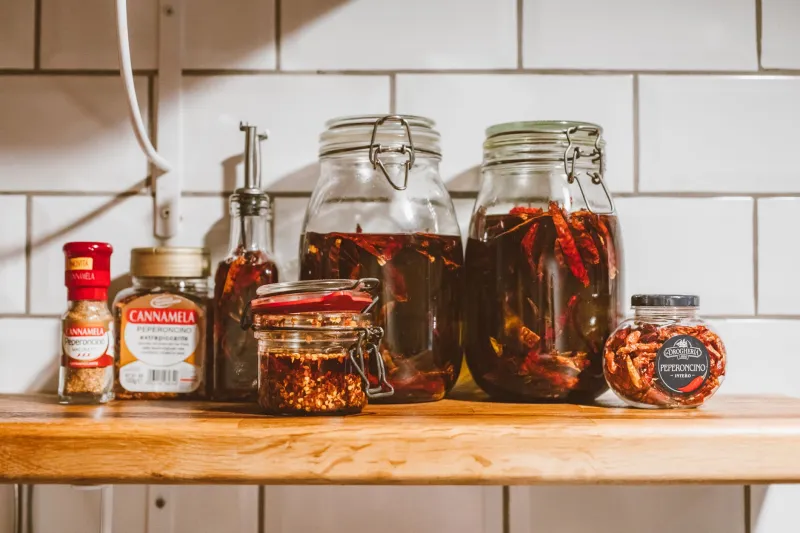
Making achar at home sounds simple until you taste it next to the jar your grandmother kept on her windowsill for three months. The gap between your batch and hers isn't about a missing ingredient — it's about understanding how salt ratios, oil selection, and fermentation time work together to build that layered, funky, deeply savory flavor. Here's what's actually going wrong, and how to fix it.

Crispy, Soft, or Somewhere in Between: The Great Dosa Texture War Explained

Crispy, Soft, or Somewhere in Between: The Great Dosa Texture War Explained

Ask ten South Indians how a dosa should come off the griddle and you'll get ten very different—and very passionate—answers. Whether your family swears by a paper-thin crunch or a pillowy, pliable fold, the secret to mastering both textures is all in the batter, the heat, and a little bit of patience.